
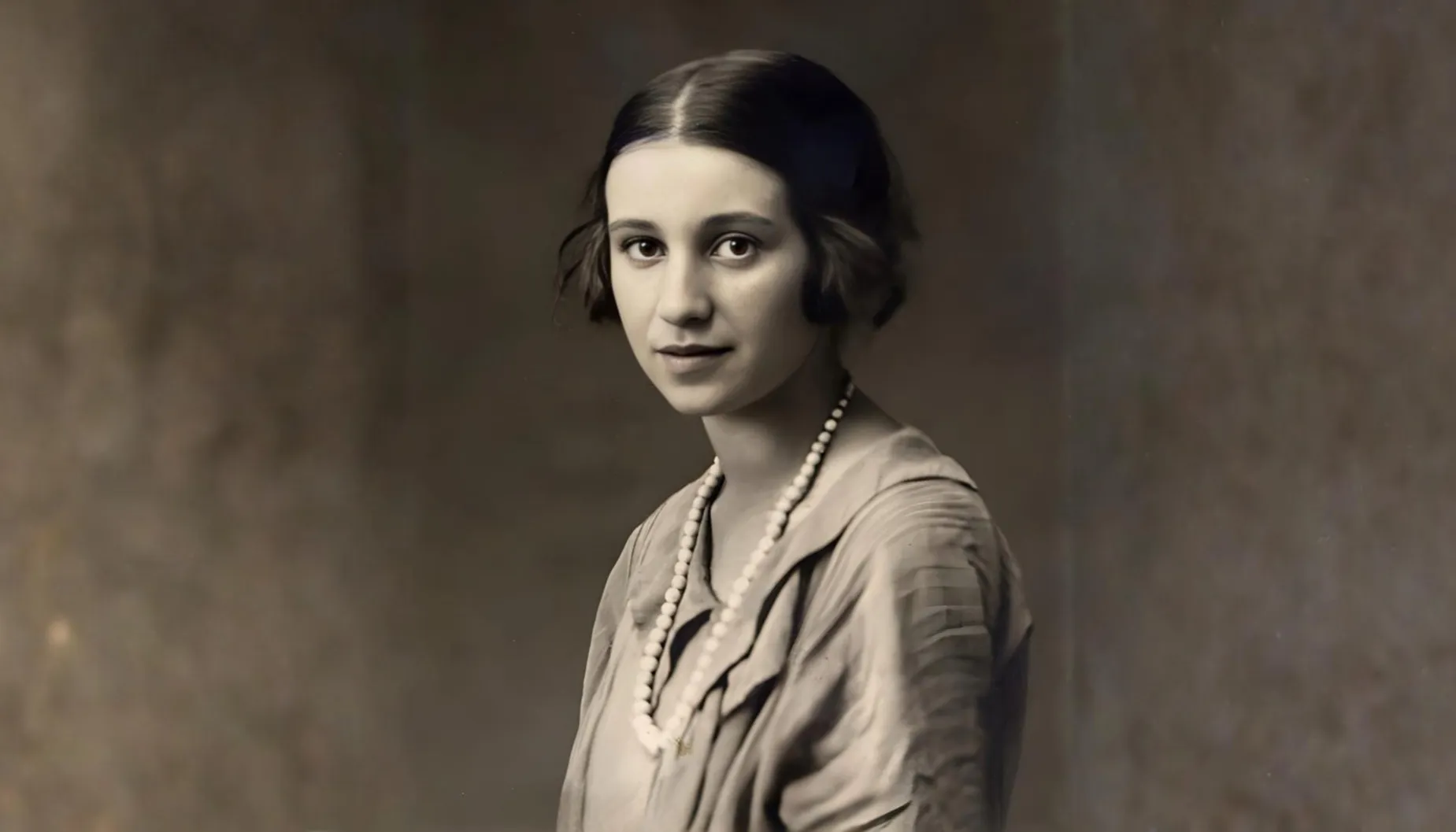
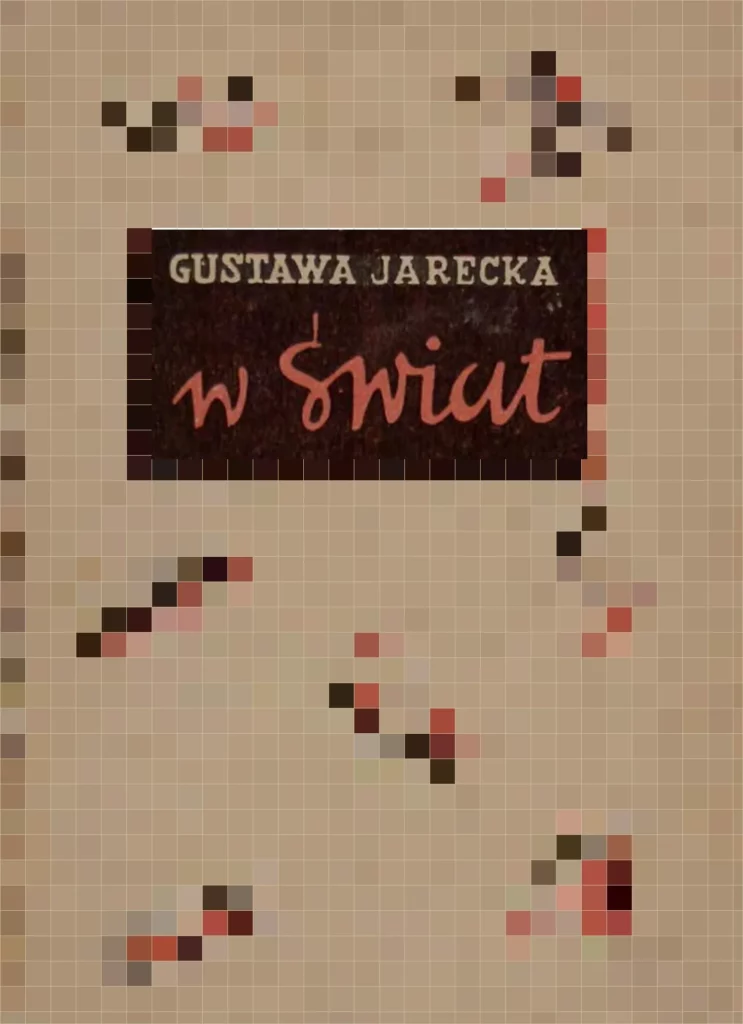
WARSAW: In the interwar period, Polish children’s and youth literature experienced a dynamic development, creating a rich body of works with educational and formative value. In this context, Gustawa Jarecka, an author associated with the left-wing movement and known for her social commitment, created a unique novel entitled „The Sixth Class Sets Out into the World.” This book, first published on May 18, 1936, as a supplement to the magazine „Płomyk” („Flame”), is a distinctive combination of adventure, didacticism, and the idea of social community.
Table of Contents
Historical and Ideological Context
Gustawa Jarecka was a teacher, journalist, and writer of Jewish origin who devoted her entire life to the cause of education and social emancipation. Her Jewish background and connections to the leftist movement made her particularly sensitive to issues of social inequality and exclusion. In „The Sixth Class Sets Out into the World” her belief in shaping youth through teamwork, independence, and civic responsibility is clearly evident. The novel fits into the tradition of educational literature but does so without intrusive moralizing, influencing readers through an engaging plot and realistic characters.
Plot and Characters
The story takes place in Łódź and Wąbrzeźno, with the main protagonists being schoolgirls from the sixth class of a primary school in Łódź. The girls decide to organize a summer trip to Pomerania. This project, initiated by the students themselves, becomes a pretext to show how they learn planning, cooperation, and overcoming challenges.
Each girl represents a different social background, allowing Gustawa Jarecka to depict a cross-section of Łódź society in the 1930s. We meet children of workers, teachers, clerks, and Jewish merchants. Thus, the novel becomes not only a story about friendship and coming of age but also a testimony to the social mosaic of that era.
Learning Through Action
A key element of „The Sixth Class Sets Out into the World” is the concept of learning by doing. The girls organize their own fundraising campaign, plan the route of the trip, and learn to take responsibility for each other. Jarecka illustrates how progressive pedagogy can be implemented in practice, with its emphasis on partnership between teacher and student and active participation of children in the educational process.
During the journey, the girls not only explore and learn about the geography and history of Pomerania, but they also experience the value of community, solidarity, and teamwork. Crucial are the scenes in which they support each other in moments of crisis or make democratic decisions. Gustawa Jarecka does not idealize her characters—she also portrays conflicts, misunderstandings, and challenges—but it is in overcoming these that the educational power of the novel lies.
Depiction of Society and Class Reflection
„The Sixth Class Sets Out into the World” features a strong current of social reflection. Gustawa Jarecka does not shy away from depicting contrasts between poverty and affluence, national minorities and dominant Polish culture, or the divide between the world of children and that of adults. Especially compelling are the moments when the children confront social realities, such as unemployment, poverty, or the marginalization of certain groups.
Although intended for young readers, the novel tackles serious topics, not by infantilizing the problems but by presenting them in a manner suitable to children’s sensitivity. This gives the book a timeless quality and makes it worth revisiting.
Style and Form
Jarecka’s language is accessible, vivid, and colorful. The dialogue reflects the natural speech of children, making the protagonists believable and relatable. The author employs third-person narration with clear sympathy for the characters but avoids sentimentality. The plot is structured around an adventure-driven narrative, making it engaging and dynamic.
Formally, „The Sixth Class Sets Out into the World”resembles a school chronicle or travel diary, enhancing its authenticity and helping readers identify with the characters.
Significance and Reception
Despite its literary and educational merits, „The Sixth Class Sets Out into the World” remains a forgotten work. This may be due to political changes after 1939, the author’s death during the Holocaust, and the marginalization of social literature during the communist era in Poland, when more ideologically driven works were favored.
Today, revisiting Gustawa Jarecka’s work reveals the continuing relevance of her ideas: the need for civic education, fostering cooperation and empathy, social diversity, and grassroots initiatives.
„Today, as we return to the work of Gustawa Jarecka, we see how relevant her ideas still are,” says journalist Estera Szymanowska. „The need for civic education, teaching cooperation and empathy, social diversity, and the importance of grassroots initiatives. 'The Sixth Class Sets Out into the World’ can be an inspiration not only for teachers and educators but also for contemporary authors of youth literature. It would be worthwhile for 'The Sixth Class Sets Out into the World’ to return to the school reading canon and be rediscovered by readers of all generations,” Szymanowska believes.
„The Sixth Class Sets Out into the World” is a work that combines aesthetic and educational values. Gustawa Jarecka, one of the most talented pre-war writers of the younger generation, used her pedagogical experience and deep social sensitivity—stemming in part from her background and life experiences—to create a story that speaks to young readers not through didactic preaching, but by showing the power of cooperation, the importance of independence, and the value of social diversity.
Polish News Culture / KNN / Source: Wikiźródła / Photo Gustawa Jarecka by Wikipedia / 29.05.2025