Polish NEWS: European automotive is facing its most serious crisis in years. Lagging electrification, falling sales and exports, growing Chinese competition, and geopolitical uncertainty are placing the industry at a critical crossroads. According to the latest Allianz Trade analysis, European automotive must act swiftly—both locally and EU-wide—to remain competitive and meet its ambitious climate goals.
Table of Contents
European automotive: declining registrations and unfulfilled electric potential
European automotive is experiencing a structural slowdown. After a brief post-pandemic rebound, new car registrations are falling again—down 0.3% in the second half of 2024 and 0.7% in July 2025. The largest markets—Germany, France, and Italy—saw declines of 2%, 8%, and 4%, respectively. Although Spain, Poland, and the UK recorded moderate growth, total sales remain 20–30% below 2019 levels.
Electrification, expected to revitalize the industry, is progressing too slowly and unevenly. Fully electric vehicles (EVs) represent only 15.6% of the market, while plug-in and conventional hybrids account for 43%. Internal combustion engine cars still hold over 28%. Without a coherent strategy—covering energy prices, charging infrastructure, and tax incentives—European automotive is unlikely to reach its 2030 target of 20% EV share in new car sales.
Chinese competition and trade pressure intensify, while margins shrink
European automotive now faces mounting pressure from rapidly expanding Chinese carmakers. In 2025 alone, exports of European cars to China dropped by 40%, and German brand sales declined by 7.5%. European firms now hold just 10% of the Chinese market, compared to 70% controlled by domestic Chinese brands. Chinese companies are also gaining traction in Europe, with a 6% market share that could rise to 10–11% in the EV segment by year-end. Their edge lies in price: many models are sold under €30,000, significantly undercutting European alternatives.
Meanwhile, average operating margins for European manufacturers have dropped by over 2 percentage points. Ongoing trade disputes with the U.S. and inflexible supply chains add to the strain. European automotive must rethink its business model—focusing on innovation, resource precision, and strategic partnerships, especially in battery and software technology.
European automotive in Poland: R&D as the next frontier
In the Polish context, European automotive primarily means the production of parts and components. While Poland does not mass-produce passenger cars, nearly half of its automotive exports are parts. As global sales and exports decline, producers are cutting costs—often at the expense of suppliers, including many in Poland. “The era of large-scale greenfield investments is over. Polish parts and battery plants are losing cost advantages, and workers are quietly leaving,” notes Sławomir Bąk, Management Board Member at Allianz Trade in Poland.
According to Bąk, Poland’s future lies in strengthening its R&D capabilities. “We have a robust engineering base and technological potential—in both mechanical and software areas. If Polish tech startups can conquer Europe, so can automotive innovators,” he adds. For European automotive, Poland could become an R&D powerhouse—provided industrial and educational policies support long-term investments in knowledge, not just manufacturing.
The road ahead: recycling, autonomy, and tech resilience
Allianz Trade’s analysis highlights two strategic priorities for European automotive. First: establishing a full battery recycling cycle to stimulate the used EV market, crucial for wider adoption. Second: investing in autonomous driving, where Europe still leads—two-thirds of Level 3 autonomy technologies originate from European firms. Competitors like Ford are investing billions in EVs and autonomy, and European brands can’t afford to lag.
However, this requires stable regulatory and energy frameworks, as well as investment in raw material security and battery recycling industries. European automotive must choose: embrace a bold transformation or risk losing its global edge. The days of optimistic trade shows have given way to hard decisions.
Thank you for reading this article to the end. We encourage you to check out other news available on Polish-News.com.
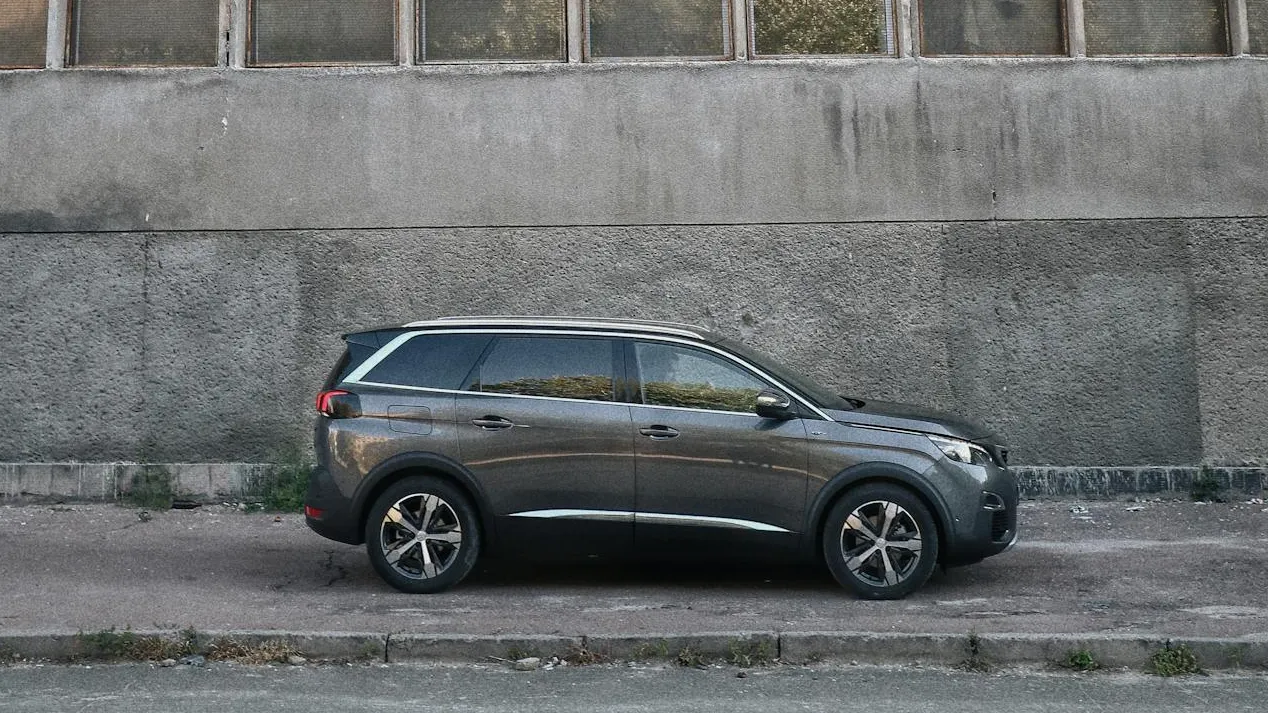
Polish News, Economy /KTN/ Source: Allianz Trade / KNJ / Źródło: / Photo: Peugeot 3008 Olena Bohovyk / 15.09.2025