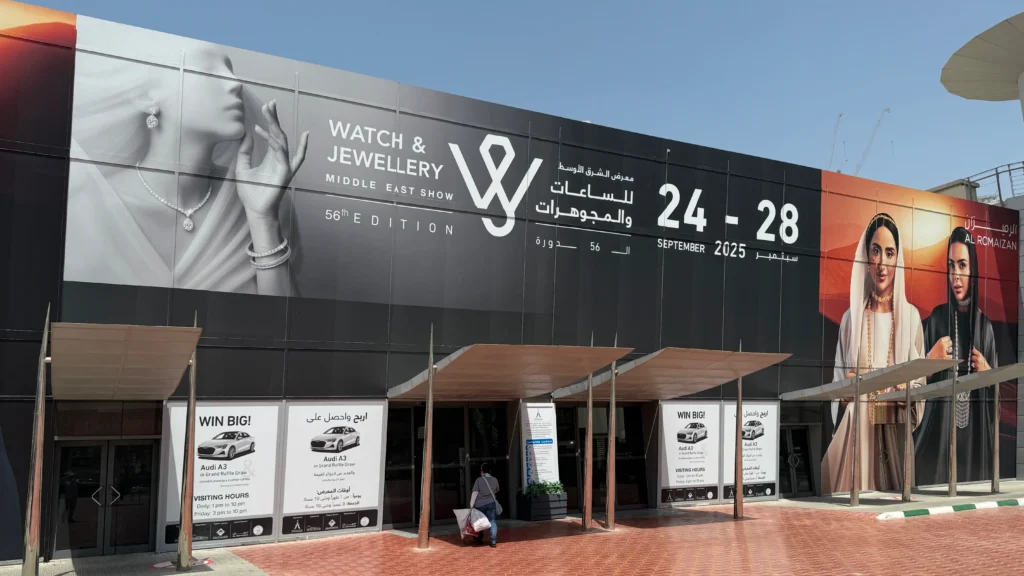
Polish-News.com Sharjah: Everyone knows what Dubai chocolate is, but what about the Dubai Dress? In the cultural capital of the United Arab Emirates, one of the world’s most important jewelry industry events has just concluded – the 56th Watch & Jewellery Middle East Show. Held at Expo Centre Sharjah from September 24–28, 2025, the exhibition brought together more than 500 exhibitors from 21 countries and attracted thousands of visitors. This year’s edition went down in history thanks to a spectacular display of luxury – the unveiling of a golden gown weighing over 10 kilograms, officially entered into the Guinness World Records.
Table of Contents
The World’s Heaviest Gold Dress – An Icon of the Show
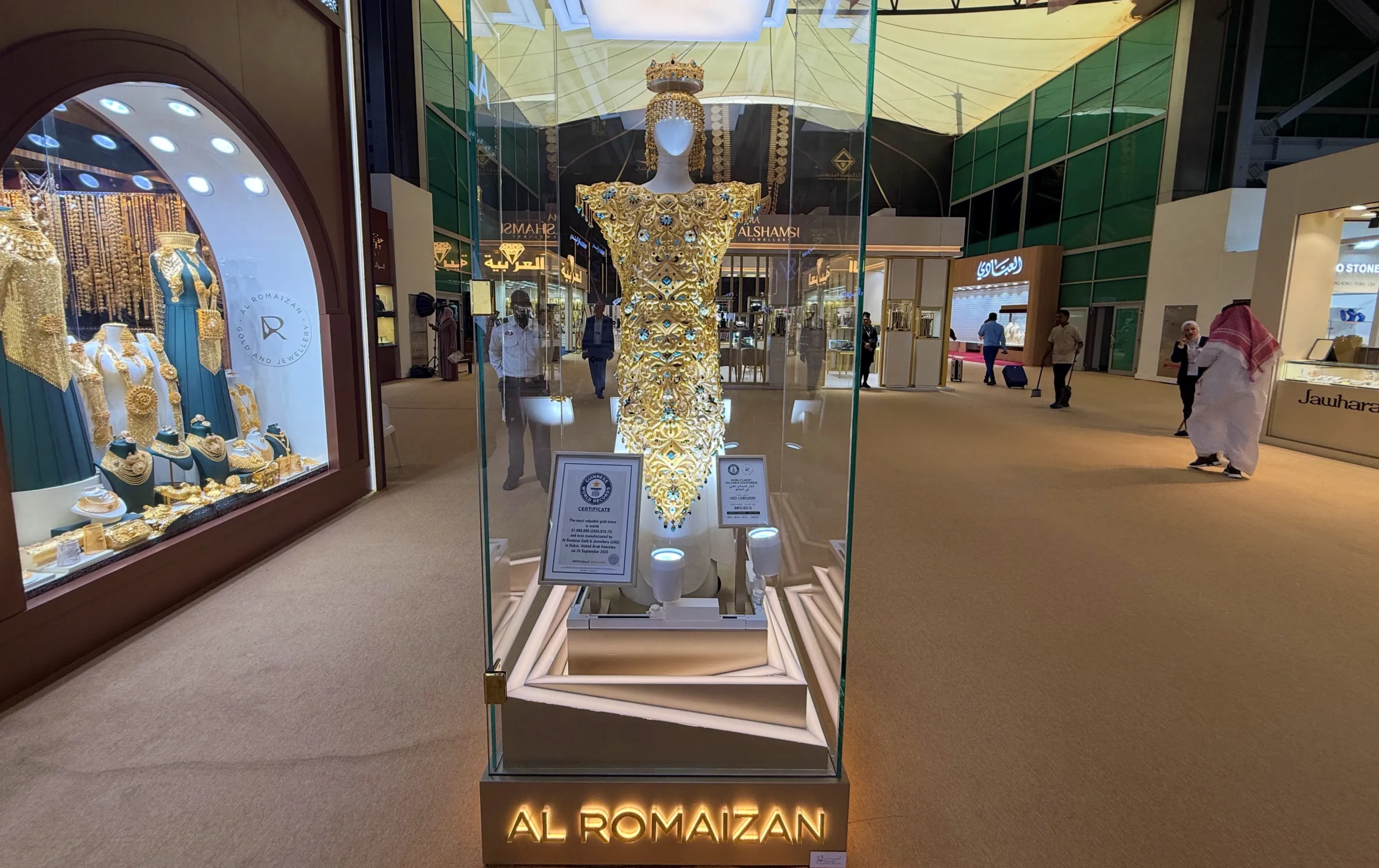
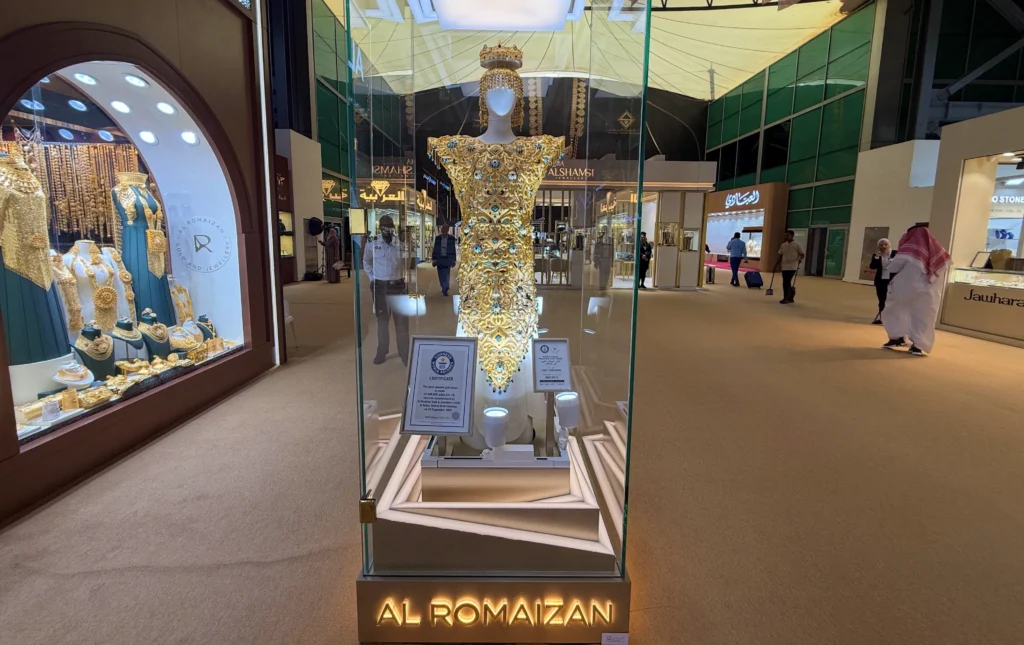
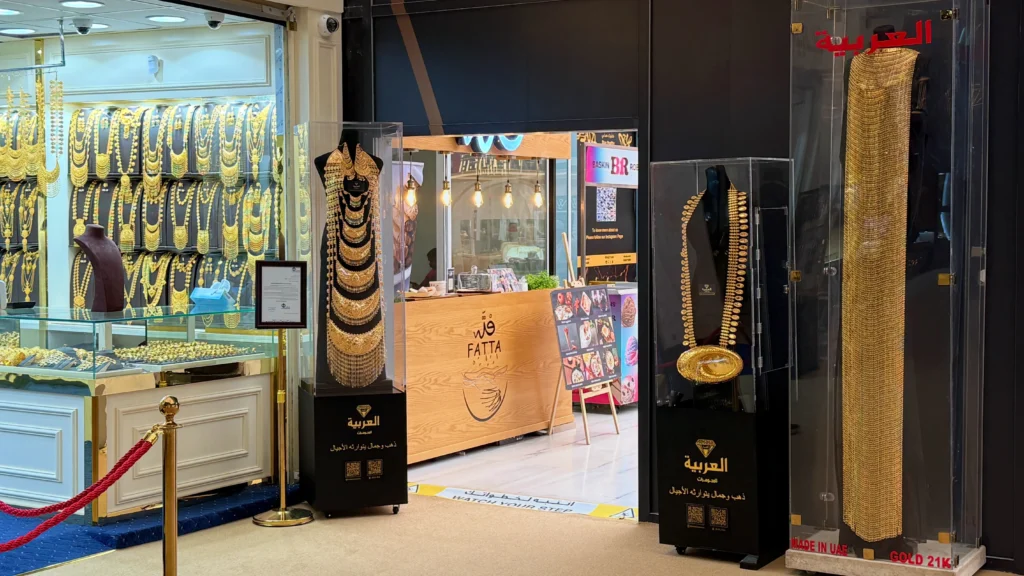
The central attraction of this year’s edition was the “Dubai Dress” – an extraordinary creation crafted from 21-karat gold. Weighing precisely 10.0812 kilograms and valued at AED 4.6 million, it was officially recognized as the world’s heaviest gold dress. Composed of four elements – a crown, a necklace, earrings, and a decorative Hiyar belt – it seamlessly combined traditional Arab motifs with modern design.
During the Guinness World Records certification ceremony, representatives emphasized that the project had no precedent in the history of fashion or jewelry. The dress became the symbol of the 56th Watch & Jewellery Middle East Show, drawing widespread media attention and long lines of visitors eager to photograph it up close.
Sharjah’s Leadership: The Exhibition as a National Showcase
The official opening was attended by leading figures from Sharjah’s economic and business community. Abdallah Sultan Al Owais, Chairman of the Sharjah Chamber of Commerce & Industry and Expo Centre Sharjah, underlined the strategic role of the event in shaping the UAE’s global image.
“The exhibition strengthens the global reputation of the United Arab Emirates as a hub for gold and jewelry trade, while giving Emirati designers space to innovate and compete internationally,” Al Owais said.
Echoing that sentiment, Saif Mohammed Al Midfa, CEO of Expo Centre Sharjah, pointed to the growing diversity of participants.
“This edition offers a unique mix of designs and, for the first time, companies from new markets such as Australia, Myanmar, and Pakistan. It proves that the show is a strategic gateway to the region and a platform for global brands to expand their presence,” Al Midfa noted.
A Global Platform for Luxury
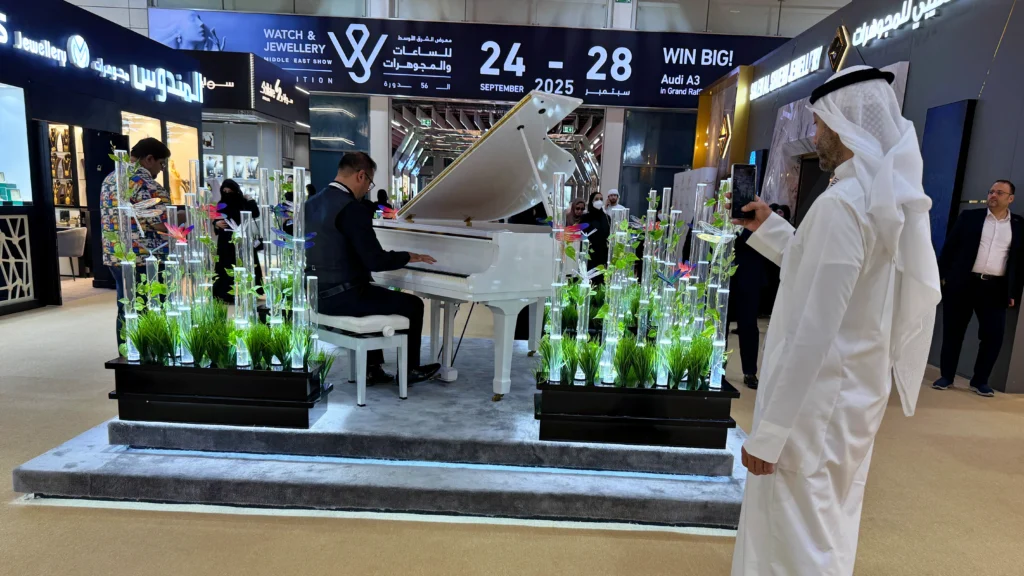
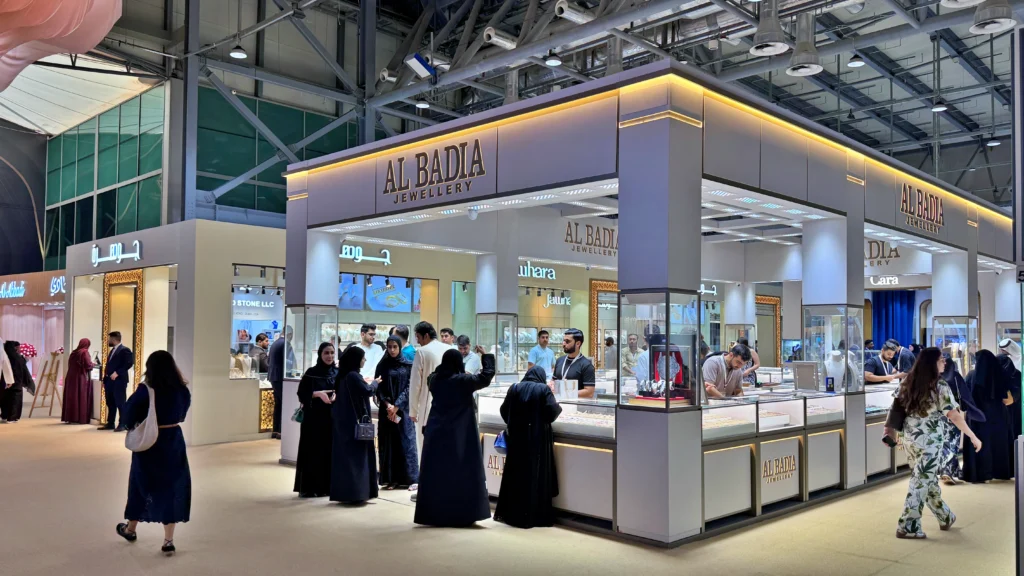
The 56th Watch & Jewellery Middle East Show hosted over 500 exhibitors from 21 countries, 68% of them from outside the UAE. Across 30,000 square meters of exhibition space, thousands of designs were presented—from collections rooted in Arab tradition to cutting-edge contemporary jewelry.
The event reaffirmed Sharjah’s role as a crossroads of cultures, aesthetics, and technologies. On one side, visitors discovered traditional craft inspired by regional heritage; on the other, avant-garde pieces reflecting the latest global trends.
Gulf Exhibitors: Tradition Meets Modernity
Exhibitors from the Gulf Cooperation Council countries played a central role. Companies from Saudi Arabia, Bahrain, Qatar, Kuwait, and Oman showcased collections that celebrated the region’s cultural legacy while embracing innovation.
Saudi Arabia’s 4C’s Jewellery emphasized versatility:
“Our collections are designed for diverse tastes and occasions. While we draw on global experience, our work remains firmly rooted in regional aesthetics,” a company representative said
Bahrain’s Al Shehab Pearls captivated audiences with pieces made from natural pearls, a long-standing symbol of Gulf luxury. Designers highlighted the fusion of authentic pearl-diving heritage with modern craftsmanship to create unique propositions for discerning clients.
The Jewelry Heritage of the Emirates – Pearls and Gold
Long before today’s gleaming malls and luxury boutiques, the Gulf’s economy was built on jewelry traditions. Pearl diving was a cornerstone of trade in the 19th and early 20th centuries, with pearls from Sharjah and Dubai traveling to markets in India, Persia, and Europe as symbols of wealth and prestige.
Gold was equally significant—not only as a trade commodity but also as an integral part of Arab jewelry. Gold bracelets, earrings, and necklaces played central roles in social and religious life, often forming part of dowries and family treasures passed down through generations.
The 56th Watch & Jewellery Middle East Show continues this legacy. Exhibitors drew on traditional motifs while experimenting with contemporary design, creating a dialogue between past and future.
Europe Fades into the Background of Asian Dominance
Although the catalog lists dozens of Italian companies and several Turkish brands, plus a symbolic handful from the United Kingdom, Belgium, and Cyprus, Europe was practically invisible on the show floor. There were no large national pavilions, no unified promotional narrative, and limited brand visibility.
Against the powerful stands of India, Hong Kong, and the UAE, European firms appeared scattered and easy to miss. For many visitors, the impression was that Europe was almost absent—despite the formal listings. The balance of power in jewelry is shifting: today, Asia and the Middle East set the tone.
Industry Voices: A Forum for Business and Inspiration
Many exhibitors stressed that the fair is more than a sales platform.
“Designers, buyers, collectors, and private clients from around the world meet here. It’s a place where new ideas are born and long-term partnerships are forged,” said a representative of an Indian jewelry company.
The strong presence of global brands and investors reinforced Sharjah’s reputation as one of the most important stops on the Middle East’s jewelry calendar.
Sharjah – A Rising Global Luxury Hub
The exhibition was open to the general public, offering not only dazzling jewelry but also the excitement of raffles and giveaways. The grand prize was an Audi A3, alongside exclusive jewelry sets.
The Dubai Dress and multiple collection showcases drew extensive media coverage—from local outlets to international titles such as Times of India, Gulf News, and Zawya.
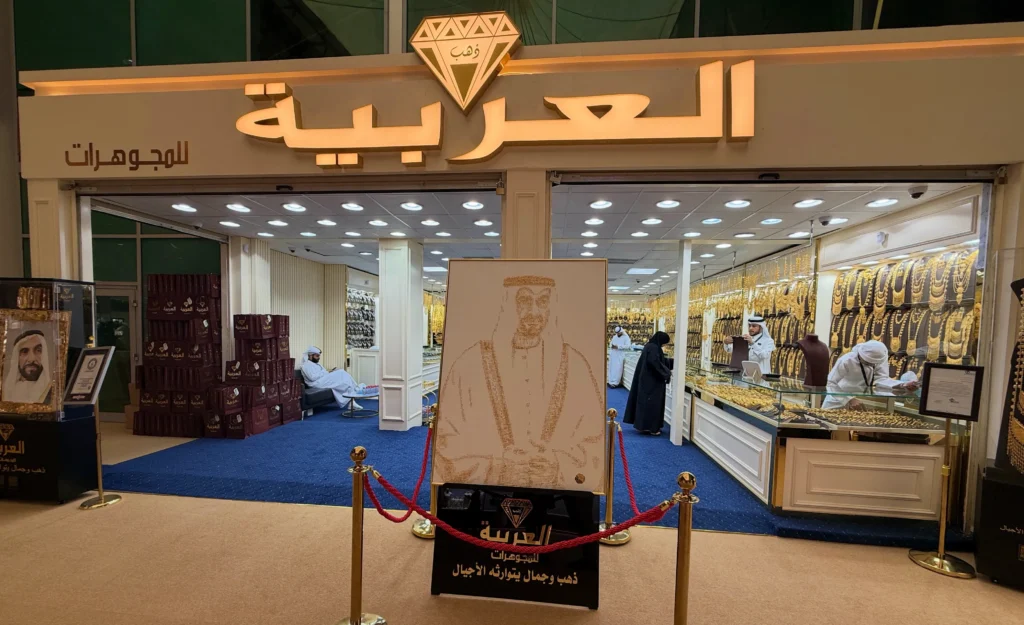
Held twice a year, the Sharjah fair gains prestige with each edition. For the emirate’s authorities, it is more than a commercial event: it is an instrument of place-branding, positioning Sharjah as a crossroads where tradition meets innovation.
Organizers emphasize that the show supports not only leading global brands but also local designers and startups, serving as a launchpad for young creatives aiming to break into international markets.
Economic Significance and Future Prospects
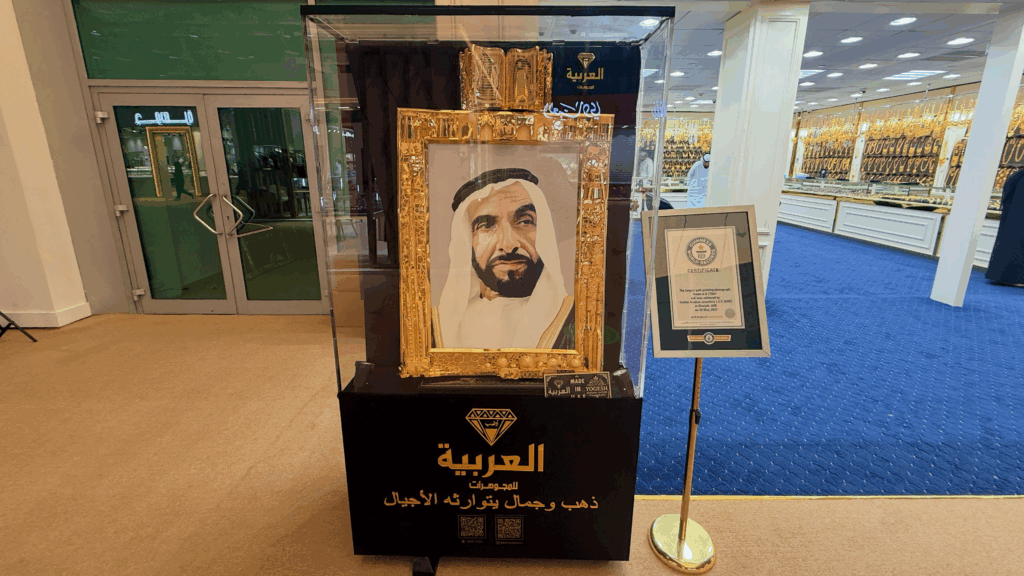
Gold and jewelry are key pillars of the UAE economy. The 56th Watch & Jewellery Middle East Show thus carries not only prestige but also economic weight. With rising numbers of visitors and exhibitors from around the world, Sharjah is consolidating its position as a center of luxury, creativity, and international trade.
Forecasts point to continued growth in demand for gold and luxury jewelry across the Middle East. Thanks to its strategic location and advanced infrastructure, Sharjah is well placed to become one of the sector’s global hubs in the years ahead.
Polish NEWS, Economy / PON / Sorce: Agencja Informacyjna / 30.09.2025